
Knowledge and advice
Increasing footfall with digital signage: 6 proven techniques
Want to attract more visitors to your shop with digital signage? Discover 6 proven techniques retailers use to increase footfall.
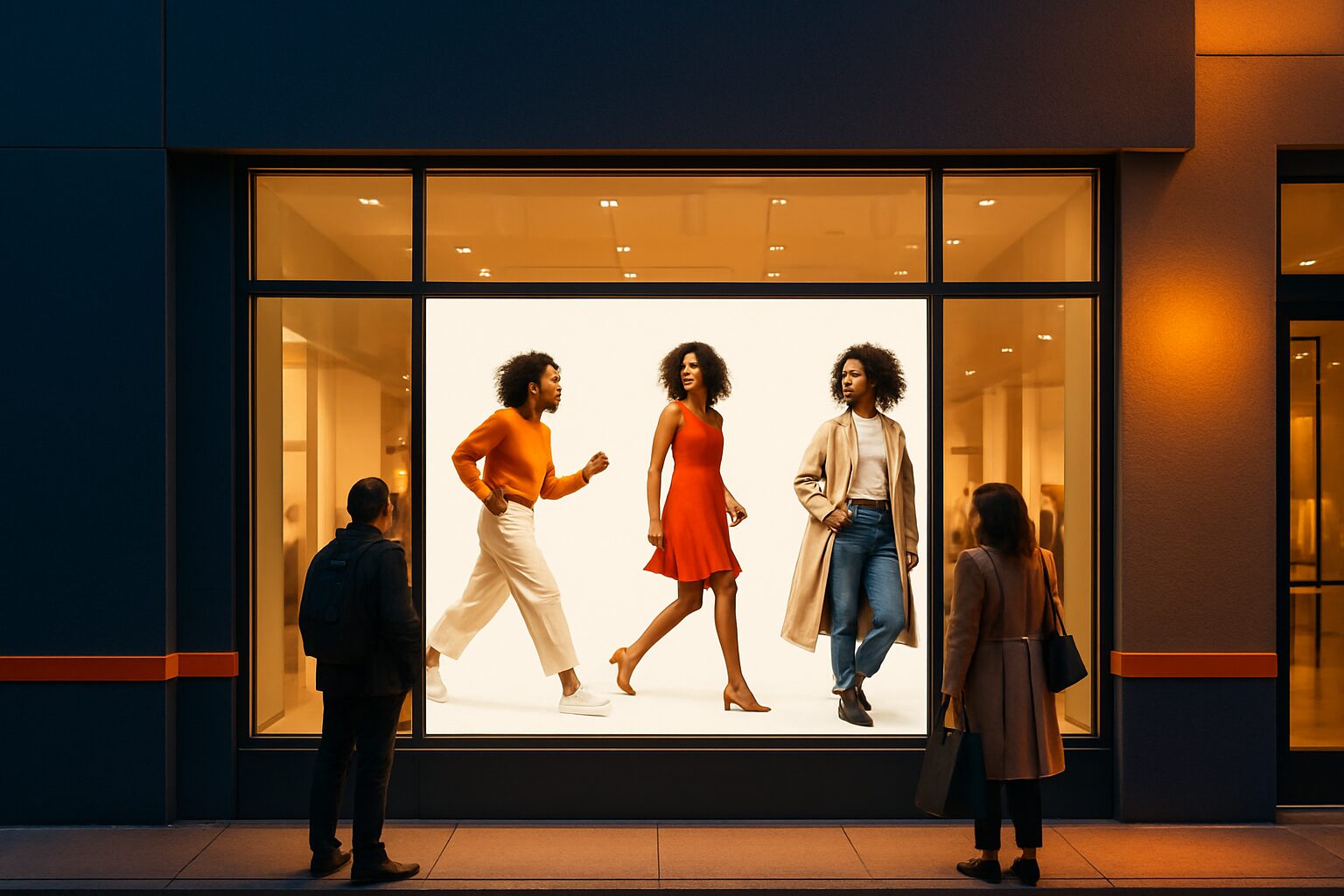
Increasing footfall with digital signage: 6 proven techniques
Digital signage increases footfall through moving image, targeted messages and smart placement that turn passers-by into shoppers. Retailers using digital displays at strategic points — window, entrance, nearby façades — report on average 20–33% more store visits compared with static communication (source: POPAI/Mood Media). Pixio Display, a digital signage supplier in the Netherlands and Belgium, sees this pattern reflected in its medium-sized retail customers.
1. Moving images in the shop window draw the eye
The human eye responds instinctively to movement. An animation or video clip in the shop window stops passers-by faster than a poster. Research by Nielsen shows that moving images generate up to 400% more attention than static images in a busy environment. Make sure the message is clear in the first two seconds — after that, you have already won or lost the attention.
Practical example: a fashion chain in Utrecht replaced three static window boxes with two 55-inch displays with seasonal videos. The number of people entering the shop rose by 27% in the first month. The investment had been recouped within six months.
2. Real-time content increases relevance
A display that shows the same thing today as it did last week quickly loses its appeal. Link your content to external data sources: the weather, the time of day or current stock levels. On a rainy Monday you show coats and boots; on a sunny Friday afternoon, summer dresses and sunglasses. Dynamic content feels relevant and gives passers-by a reason to come in now.
This ties in with the options we describe in detail in Digital shop windows and retail displays: the complete retail guide. Real-time integration is technically possible via most modern content management systems for signage.
3. Displays keep working outside opening hours
Your shop window also communicates when the shop is closed. Passers-by who walk past in the evening or at the weekend are potential customers for the next day. A display with a clear call to action — an offer, a new collection, a QR code — plants a seed. Internal research among several Pixio customers shows that 12–18% of daily visitors say they noticed the shop outside opening hours.
You can read more about this strategy in 24/7 window marketing: communicating when the shop is closed. Make sure your display is suitable for continuous operation and that the brightness automatically adjusts to ambient light.
4. Creating urgency with countdown clocks and temporary offers
Urgency is one of the strongest psychological triggers to get someone to make a decision. A countdown clock showing that an offer expires in three hours works better than a vague text such as "while stocks last". Digital signage makes this easy: you schedule a campaign with an automatic end date and the clock runs down by itself.
You can combine this with dynamic pricing, an approach we explain in Dynamic pricing in retail: is it possible and allowed?. Be transparent: clearly communicate what the regular price is and what the promotional price is.
5. Location-based advertising attracts new audiences
Digital outdoor displays and screens in shopping centres offer the option to advertise hyper-locally. Think of a screen 50 metres from your shop entrance that actively directs people to your location with an arrow or map. This works particularly well in shopping streets with high footfall. Combine this with an offer that is exclusively valid for visitors who come via the display — this is how you measure the direct effect.
For outdoor applications, displays with a brightness of at least 2.500 nits are needed to remain readable in direct sunlight. Pixio Display supplies outdoor screens that meet this specification.
6. POS displays increase dwell time and repeat visits
Footfall is not just about the first step inside. Dwell time and repeat visits are at least as valuable. Digital displays at the checkout — POS displays — give customers something to look at while waiting and introduce new products or loyalty programmes. A customer who sees something new at the checkout is more likely to return.
In POS displays: digital support at the checkout explains how to set up POS screens for maximum effect. On average, POS displays increase average transaction value by 5–8% (source: Retail TouchPoints, 2023).
Conclusion
Increasing footfall with digital signage is not a matter of hanging up one screen and waiting. It requires the right combination of moving images, relevant content, smart placement and measurable calls to action. The six techniques in this article give you a concrete starting point. If you want to understand the bigger picture — from window design to in-store communication — read the complete retail guide to digital window displays and shop displays.
Attract more passers-by inside? A digital pavement sign runs on battery and changes your offer in seconds.
Frequently asked questions
How many more visitors can I expect from digital signage in my shop window?
This varies by location, sector and implementation. Research by POPAI and Mood Media cites averages of 20–33% more store visits. A fashion chain in Utrecht saw 27% growth after installing two 55-inch displays. Always measure your own baseline before and after implementation.
Which type of display works best for a busy shopping street?
For a busy high street you need a display with high brightness (at least 2.500 nits for outdoors) and moving images. Indoors behind glass, 1.000–1.500 nits is sufficient. Choose a size that suits the viewing distance: at 3 metres, a 55-inch works well; at 10 metres you need at least 75 inches.
How do I measure whether my digital signage is actually attracting more visitors?
Use a footfall counter at the entrance and compare periods before and after installation. Link campaigns to unique QR codes or promotional prices communicated only via the display. That way you can isolate the direct effect from other marketing activities.
Do I need to update my content daily to keep it effective?
Not necessarily daily, but regularly. Content that remains unchanged for more than two weeks loses appeal for regular passers-by. Plan at least weekly updates and link content to current triggers such as the weather or promotional calendar.
What does a digital shop window solution cost for a medium-sized retail chain?
Costs depend on the number of locations, screen size and software. An entry-level solution for one shop starts at around €1.500–€2.500 for hardware plus software subscription. For multiple locations, it is worth requesting a customised quote from Pixio Display.